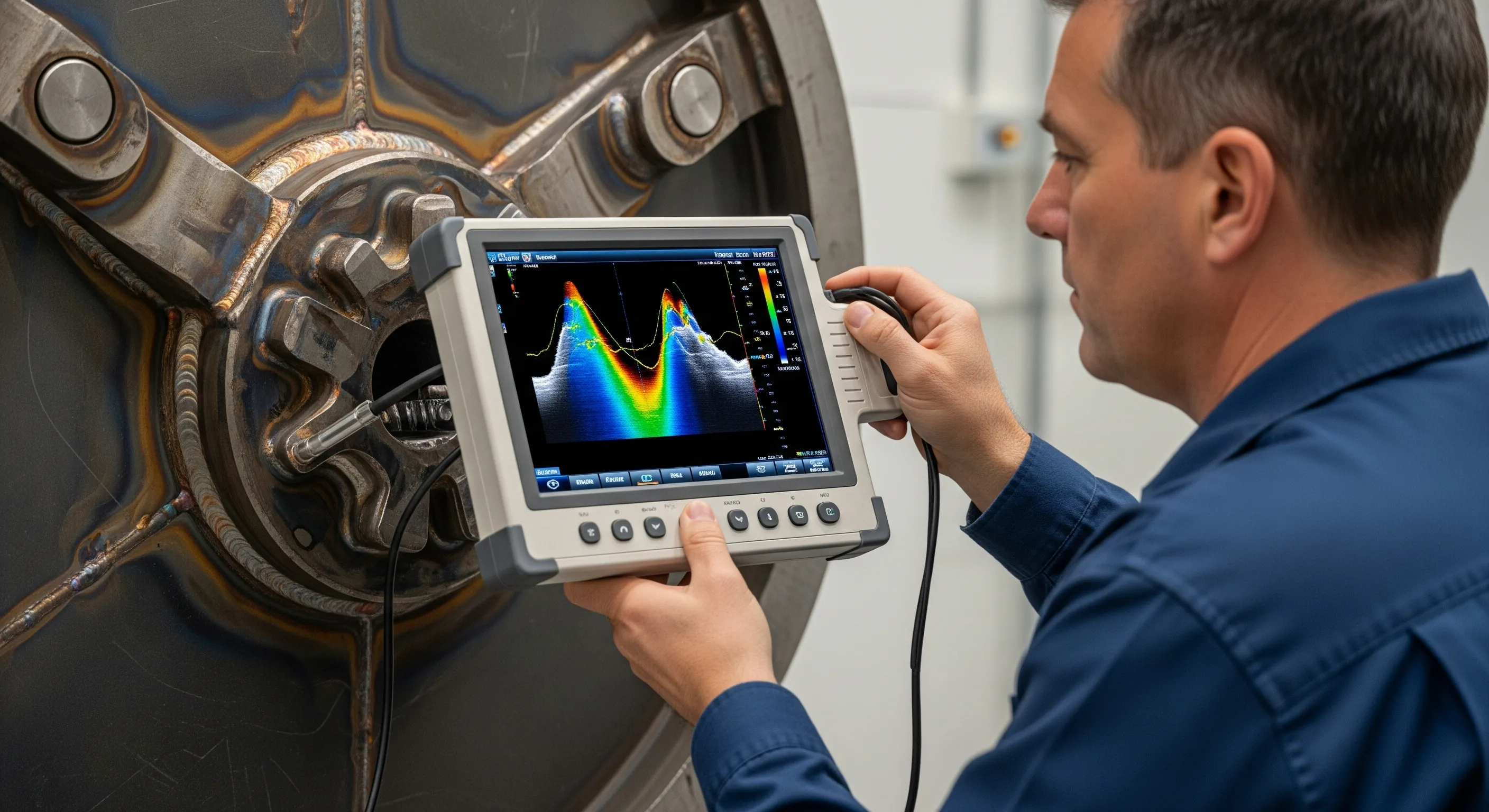
phased arrayPAUT
Phased Array: The Revolution in Precise Defect Detection
An in-depth analysis of how Phased Array Ultrasound technology is transforming inspections, offering speed, precision, and comprehensive data.
Read more
Gas and oil pipelines are the arteries of the energy industry. A failure in a single weld can have devastating consequences, both economic and operational. Therefore, rigorous inspection of each joint is not optional—it is a critical necessity to ensure safe and continuous operation.
The API 1104, "Welding of Pipelines and Related Facilities" standard is the worldwide reference code for the construction and inspection of pipeline welds. This document establishes the procedures and quality standards that must be followed to ensure the structural integrity of the line.
To evaluate the quality of pipeline welds, API 1104 recognizes several NDT methods, the most commonly used being:
Not every imperfection is a defect that compromises the pipeline. Section 9 of API 1104 precisely defines the limits for discontinuities such as porosity, slag inclusions, lack of fusion, and cracks. Our certified inspectors use these criteria to objectively determine whether a weld is acceptable or must be repaired.
At Compañía Técnica, we rigorously apply API 1104 standards and the most advanced inspection methods to give our clients the certainty that their pipelines will operate safely and efficiently throughout their service life.
At Compañía Técnica this translates into concrete work: industrial ultrasonic testing and phased array, carried out with our own equipment, deployable anywhere in Argentina, and a report signed by a technical representative registered with the Energy Secretariat. The full catalogue of non-destructive testing sets out the scope of each one.
An in-depth analysis of how Phased Array Ultrasound technology is transforming inspections, offering speed, precision, and comprehensive data.
Read more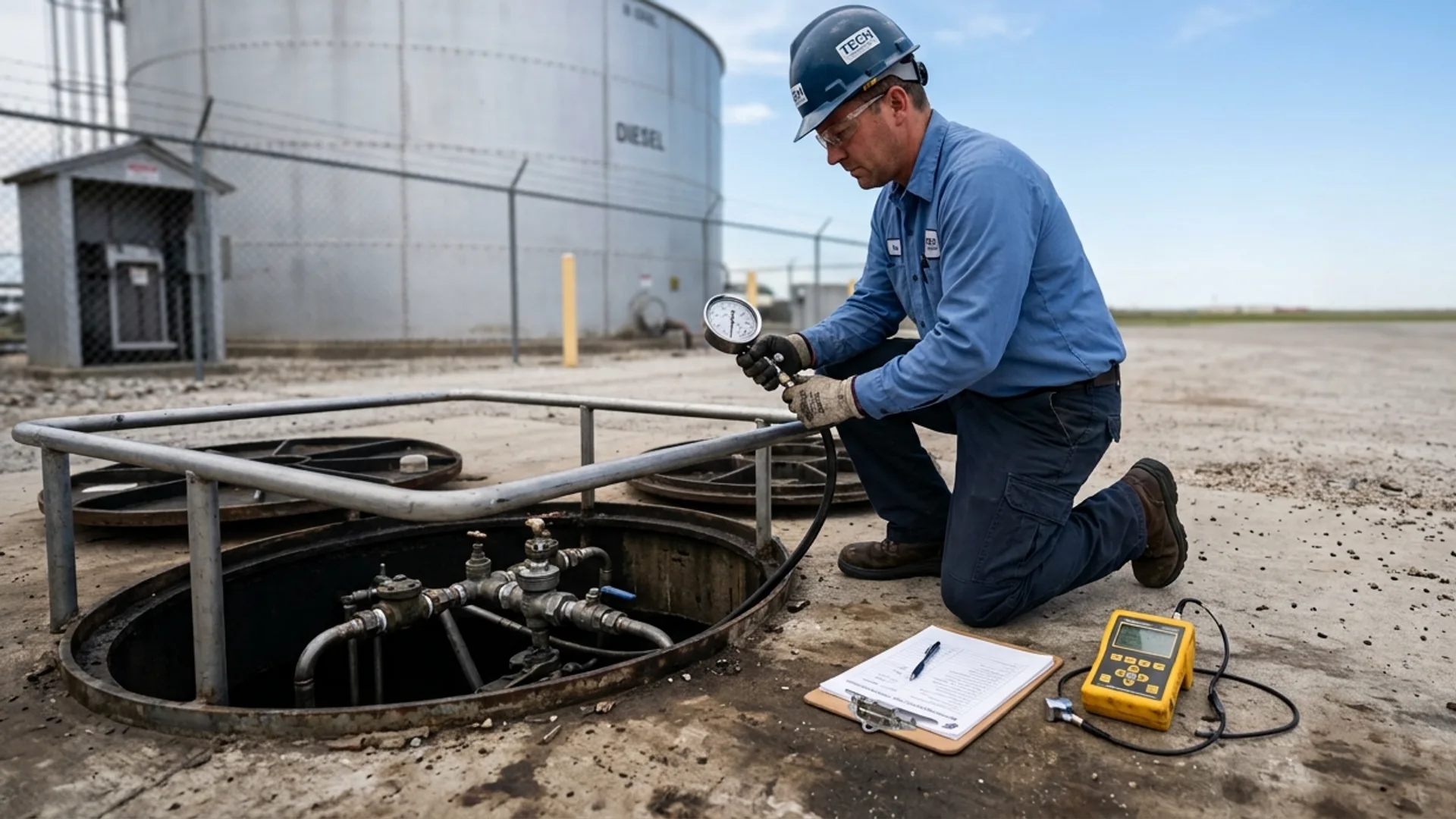
We are registered in the Register of Auditing Entities of the Secretariat of Energy, under categories A-I, A-II, B-I and B-II. What this means for your service station or plant.
Read more
Resolution 785/05 is repealed. The new Resolution 277/2025 adopts the API 653 standard. Discover what this means for your company and how we can ensure your compliance.
Read more